RAG教程可以按六个可验收层展开:资料来源与权限、切分与索引、允许集合内的检索与重排、带来源的上下文与回答/拒答、离线评估,以及上线后的安全与运行治理。本文提供一个纯标准库的本地词法检索实验;生成模型与生产系统只讨论设计,没有实现完整 RAG。
读者应已经具备基本 Python、LLM API 和数据处理概念。若仍在建立原理到应用工程的总体地图,可先看大模型学习路线;需要核对技术书的版本与前置,可参考技术书籍选择方法。
RAG系统怎么搭建:六层分别验收
| 层次 | 最小设计 | 可检查产出 |
|---|---|---|
| 资料与权限 | 来源 ID、版本/生效时间、归属、访问标签 | 可追溯资料清单和允许角色 |
| 切分与索引 | 保留原文位置;版本化切分和 token 化规则 | chunk 清单、长度分布、来源映射 |
| 检索与重排 | 先限定允许集合,再在集合内排序候选 | top-k、分数、权限标签、排序版本 |
| 上下文与生成 | 交付有限证据与来源;证据不足时拒答或转人工 | 上下文、来源、回答或拒答原因 |
| 离线评估 | 冻结问题、支持证据、角色和指标分母 | 检索命中、越权、拒答与人工审查记录 |
| 运行治理 | 关联检索、模型、工具动作、错误与版本 | 可追踪事件、告警、审批与回滚依据 |
Lewis 等人在 2020 年的原始 RAG 研究中,把参数化生成模型与由检索器访问的非参数记忆组合起来。那是特定模型与知识密集型任务上的研究,不是 2026 年企业问答正确性、授权、安全或 SDK 兼容的保证。
RAG检索质量评估:先定义什么算“命中”
本站本地实验使用 12 份自编方法资料与合成团队规则、15 条自标注查询。资料和支持片段标签均为本文自制,不是客户的真实知识库或人类评测基准。指标要求:查询标注的支持跨度必须完整落在一个已返回且允许的 chunk 内,才计入 support_span_recall_at_3;每条查询只标注一个支持片段;这里的覆盖率是 15 条问题中至少有一次完整支持命中的比例。MRR@3则取第一处完整支持的倒数排名:第 1、2、3 位分别记为 1、1/2、1/3,未出现在前 3 位记 0,再对 15 条问题取平均。
这个判据比“返回同一文档”严格,也不测回答准确率。它有意回答一个窄问题:当前切分单位能否让一段完整支持证据作为单一检索单元进入 top-3?跨多个 chunk 组合证据、生成模型理解、拒答质量和人工判断都没有测试。
Q01 为什么是 0:检索单位定义比平均分更重要
Q01 的目标支持跨度位于文档 P01 的 [57,123),共 66 个字符。固定窗口 top-3 为 [0,96)、[144,182)、[72,168),没有一个完整包含目标:第一和第三块各覆盖一部分,第二块位于目标区间之后。因此按“单一 chunk 完整包含”判据计 0。
第一和第三个 chunk 的并集其实覆盖了目标跨度,所以不能说信息已经消失或问题不可回答。本实验没有测试模型能否组合多个 chunk。段落切分的 [57,151)完整包含目标跨度,因此该配置按同一判据计 1。这个例子说明,评估结论取决于所定义的检索单位。
实际项目应把调试集合与独立验收集合分开。本文 15 条自制问题用于核对代码、指标和边界,不是代表性业务基准;后续还需加入同义问法、无答案、冲突或过期资料、不同角色和拒答案例,并分别审核生成答案的正确性、引用支持和安全错误。
本地实验:切分可达性先限制检索上限
实验运行于 CPython 3.13.9,只用标准库。两种切分法共用同一语料和查询:
- 固定窗口:96 字符、24 字符重叠,共 28 chunks,长度 25–96;
- 段落保留:每段直接成为一个 chunk,最大保护值 96,共 36 chunks,实际长度 27–94;
- 排序:TF-IDF cosine 与 BM25(
k1=1.2、b=0.75),取 top-3; - token:Unicode casefold、连续中文字符双字组和 ASCII 词,不是语义 embedding。
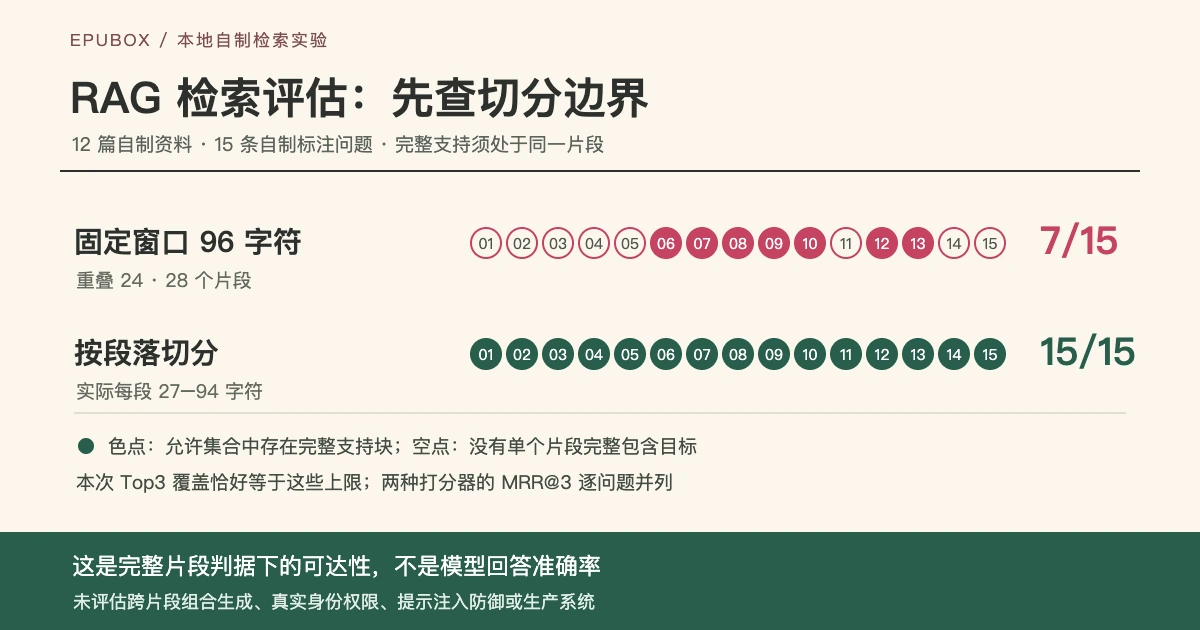
| 切分法 | 可表示上限与 R@3 | MRR@3 |
|---|---|---|
| 固定窗口+重叠 | 7/15,即 0.4667 | 0.4667 |
| 段落保留 | 15/15,即 1.0000 | 0.9667 |
上表对应先过滤允许候选再取 top-3 的配置;两种词法评分器在这组数据上得到相同的完整支持覆盖率和逐题 MRR。在这套判据下,两种切分的 R@3 都达到自身可达上限。差异首先来自切分是否保留了标注句子的完整结构,不是段落切分的通用胜利,也不是排序器质量结论。TF-IDF 与 BM25 在每种切分、每个 ACL 模式下的 15 条查询 MRR 都逐条并列,但不能据此声称两者完整排序相同或在真实中文知识库等效。
方法记录还保留了两次必要修正:早期版本按 ACL 候选池重算排序统计,造成候选池混杂,当前版本改为每种切分的完整 chunk 集统计;段落上限从 180 对齐到 96 时,冻结段落本来最长 94,所以 chunks 与结果未变。这些是方法透明度记录,不是 holdout 调参。
权限过滤对照:取 top-3 前筛选与取后不回填
Qdrant 的过滤文档展示了 payload 条件与相似度搜索组合的产品化例子。metadata filter 可以缩小候选集合,但它不是身份认证或授权来源;真实系统仍要把用户、任务与资源权限映射成可信允许集合。
以下只展示段落切分 + BM25 的一组实际汇总。角色与 ACL 都是示例中预定义的合成标签;脚本的 trusted_role来自自制查询 JSON,不是身份认证结果。Q05 即使文字声称管理员,标签仍是 public。真实服务必须从经过验证的身份与权限系统取得允许集合,不能相信客户端传入的同名字段或模型文本。
| ACL 模式 | 未授权 chunks 总数 | 少于3个上下文的查询 |
|---|---|---|
| 不过滤 | 6 | 0 |
| top-3 后过滤,不回填 | 0 | 4 |
| 先过滤再取 top-3 | 0 | 0 |
后过滤把未授权合成 chunks 降为 0,却留下 4 条上下文槽位不足的查询;先过滤再检索在这个演示中同时得到 0 个未授权返回和 0 个槽位不足。它只说明过滤时机会改变本数据集的返回集合,不证明真实身份系统、权限、隐私或生产安全已经正确。这里的后过滤仅删除已取出的 top-3,不继续回填;过采样、回填等其他实现未测试。实验统计范围固定为每种切分的完整 chunk 集,简单实现会在每次评分调用中重算相同数值。
RAG与长上下文区别:按任务条件比较
两者可以组合,不必先选阵营:
- 资料频繁更新、需要出处或不同用户看见不同内容时,先验证版本、来源定位和权限过滤能否进入每次查询;
- 材料少、稳定且单次任务边界明确时,可先验证上下文容量、成本、延迟与来源定位是否满足;
- 两种方案都可行时,要在同一任务、同一允许资料和相同评估分母下比较证据覆盖、拒答、错误、成本与延迟。
本地实验没有调用模型,也没有测试长上下文、token、成本或延迟。实验中的 top3_context_char_budget是字符数,不是模型 token。不能用这组结果声称 RAG 总是更准、更便宜,或长上下文总能替代检索。
企业RAG安全治理:资料是数据,不是指令
OWASP 的 LLM01:2025 Prompt Injection说明,网站、文件等外部来源可能形成间接提示注入,RAG 与微调不能完全消除这个风险。生产设计应限制工具权限、标记并分离不可信内容,对高风险动作设置人工批准,并进行对抗性测试。
本实验只把类似指令的合成文本当普通字符检索,没有模型、工具动作或攻击测试。metadata 过滤也不能替代权限来源。生成层仍需设计来源引用、证据不足时拒答,以及高风险请求的人工接管;这些都没有在本地演示中实现。
知识治理还要检查资料完整性。OWASP 的 LLM04:2025 Data and Model Poisoning讨论预训练、微调和嵌入数据被操纵的风险,并建议追踪来源、变换与数据版本。工程上,我们据此把资料入库复核、版本与生效/撤回状态,以及索引、缓存和权限变更的同步列为验收项。普通错误或过期内容也要按知识质量问题处理;这套静态合成实验没有测试真实投毒、撤权传播或缓存失效。
运行阶段要能把检索、上下文构造、模型调用、工具动作、错误和拒答关联起来,同时控制遥测中的敏感内容。OpenTelemetry 的生成式 AI span 约定当前标为 Development,字段和语义可能变化;实现前需要固定所用版本并单独决定采集、脱敏和保留策略,不能把它写成已部署的稳定标准。
四本书分别补哪一层
数据集、指标与上下文设计
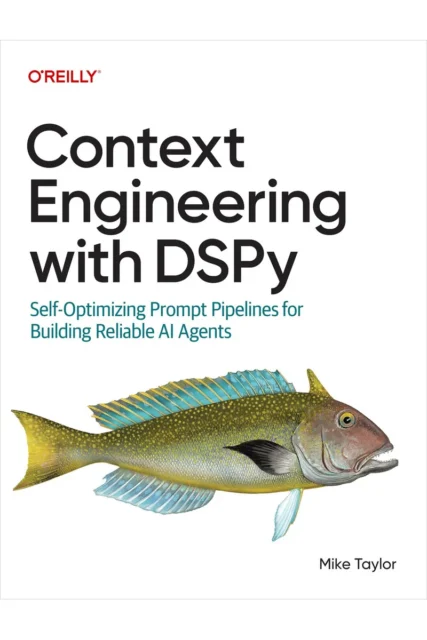
Mike Taylor 的《基于 DSPy 的上下文工程》在第 1、3–5、8–10 章连接长上下文失效模式、数据集、指标、检索/RAG、可观测性与部署。适合已有 Python、LLM、测试和数据集概念的读者。书中示例固定 DSPy 3.3.0、Python 3.12–3.14,只是随书环境,不是本站安装版本或当前兼容证明。
平台知识、审计与生产运营
Tiago Miguel Reichert、Lucas Soriano Alves Duarte、Jaime Nagase 合著的《面向平台工程的智能体 AI》用组织知识、平台 RAG、工作流、可观测性、身份与治理连接生产条件。它面向平台、云原生、SRE 与开发者体验角色,适合进一步核对平台知识、身份和审计相关目录。
攻击面、权限与知识治理
Thomas De Vos 的《企业 AI 智能体安全》在第 8–13 章讨论评估、追踪、可靠性、RAG 攻击面、生产 RAG 与知识治理。适合具备云安全、身份权限和 LLM 应用基础的安全与平台负责人;实际系统的威胁建模和安全测试仍需针对自身数据、身份与工具权限完成。
把检索接入评估与部署工作流
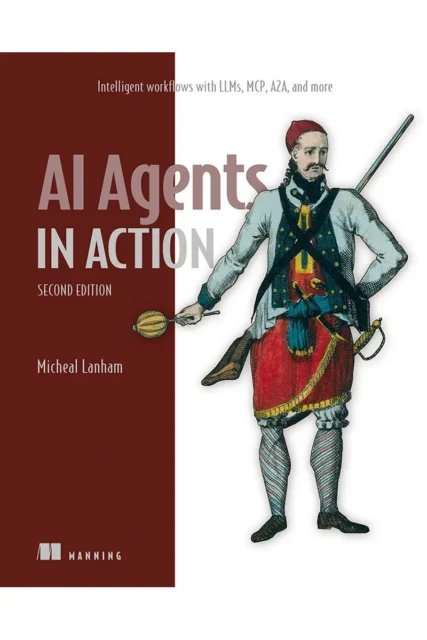
Micheal Lanham 的《AI 智能体实战(第二版)》第 6–8、11 章连接文档索引、向量与混合搜索、RAG、评估反馈、部署和安全。适合熟悉 Python、API、提示词与 LLM 基础的开发者;书中模型、MCP、服务和密钥设置只是示例语境,不代表本站调用或当前兼容。
四个商品页当前都提供目录和一段页面内正文节选,未观察到可下载样章或完整章节。先按当前任务选择主读方向,需要平台或安全视角时,再核对其他书籍的对应目录。
在本地复现词法检索实验
把下面三份 UTF-8 文件保存到同一个可写目录,然后运行:
python retrieval-demo.py脚本只使用 Python 标准库,不需要安装包、API key、网络、模型调用或付费服务。它会在同目录写出 retrieval-experiment.json 与 retrieval-experiment-output.json,并在 .retrieval-lab/input-freeze.json保存输入 hash。完整结果会保留检索上下文原文和候选轨迹,示例仅使用合成数据;替换为实际资料前,需要另行设计输出权限、脱敏和保留方式。保留基线;若更换数据,应建立明确的新测试集版本或工作目录,保留输入变更记录。
查看完整 retrieval-demo.py
#!/usr/bin/env python3
# -*- coding: utf-8 -*-
"""Deterministic lexical retrieval lab over self-authored synthetic data."""

from __future__ import annotations

import argparse
import collections
import datetime
import hashlib
import json
import math
import platform
import re
import sys
from pathlib import Path


ROOT = Path(__file__).resolve().parent
CORPUS_PATH = ROOT / "retrieval-corpus.json"
QUERY_PATH = ROOT / "retrieval-queries.json"
EXPERIMENT_PATH = ROOT / "retrieval-experiment.json"
OUTPUT_PATH = ROOT / "retrieval-experiment-output.json"

FIXED_CHARS = 96
FIXED_OVERLAP = 24
PARAGRAPH_LIMIT = 96
TOP_K = 3
BM25_K1 = 1.2
BM25_B = 0.75
ACL_MODES = ("none", "filter_after_top3", "filter_before_top3")
ROLE_ACCESS = {
    "public": {"public"},
    "team-a": {"public", "team-a"},
    "team-b": {"public", "team-b"},
}


def sha256(path: Path) -> str:
    return hashlib.sha256(path.read_bytes()).hexdigest()


def tokens(text: str) -> list[str]:
    normalized = text.casefold()
    output: list[str] = []
    pattern = r"[a-z0-9]+(?:[-_.][a-z0-9]+)*|[\u3400-\u9fff]+"
    for match in re.finditer(pattern, normalized):
        value = match.group(0)
        if re.fullmatch(r"[\u3400-\u9fff]+", value):
            if len(value) == 1:
                output.append("zh:" + value)
            else:
                output.extend("zh:" + value[index:index + 2] for index in range(len(value) - 1))
        else:
            output.append("ascii:" + value)
    return output


def fixed_chunks(document: dict) -> list[dict]:
    text = document["content"]
    step = FIXED_CHARS - FIXED_OVERLAP
    chunks = []
    for index, start in enumerate(range(0, len(text), step)):
        end = min(len(text), start + FIXED_CHARS)
        chunks.append(make_chunk(document, "fixed", index, start, end, text[start:end]))
        if end == len(text):
            break
    return chunks


def paragraph_chunks(document: dict) -> list[dict]:
    chunks = []
    offset = 0
    for index, paragraph in enumerate(document["content"].split("\n\n")):
        start = offset
        end = start + len(paragraph)
        assert paragraph and len(paragraph) <= PARAGRAPH_LIMIT
        chunks.append(make_chunk(document, "paragraph", index, start, end, paragraph))
        offset = end + 2
    assert offset - 2 == len(document["content"])
    return chunks


def make_chunk(document: dict, method: str, index: int, start: int, end: int, text: str) -> dict:
    return {
        "chunk_id": f"{document['id']}:{method[0].upper()}:{index:02d}:{start}-{end}",
        "doc_id": document["id"],
        "acl": document["acl"],
        "start": start,
        "end": end,
        "text": text,
        "tokens": tokens(text),
    }


def tfidf_scores(query_tokens: list[str], chunks: list[dict],
                 statistics_chunks: list[dict] | None = None) -> list[float]:
    statistics_chunks = statistics_chunks or chunks
    document_frequency = collections.Counter()
    for chunk in statistics_chunks:
        document_frequency.update(set(chunk["tokens"]))
    total = len(statistics_chunks)
    idf = {term: math.log((total + 1) / (document_frequency[term] + 1)) + 1
           for term in set(query_tokens).union(document_frequency)}
    query_counts = collections.Counter(query_tokens)
    query_vector = {term: count * idf[term] for term, count in query_counts.items()}
    query_norm = math.sqrt(sum(value * value for value in query_vector.values()))
    scores = []
    for chunk in chunks:
        counts = collections.Counter(chunk["tokens"])
        vector = {term: count * idf[term] for term, count in counts.items()}
        norm = math.sqrt(sum(value * value for value in vector.values()))
        dot = sum(query_vector.get(term, 0.0) * value for term, value in vector.items())
        scores.append(dot / (query_norm * norm) if query_norm and norm else 0.0)
    return scores


def bm25_scores(query_tokens: list[str], chunks: list[dict],
                statistics_chunks: list[dict] | None = None) -> list[float]:
    statistics_chunks = statistics_chunks or chunks
    total = len(statistics_chunks)
    average_length = sum(len(chunk["tokens"]) for chunk in statistics_chunks) / total
    document_frequency = collections.Counter()
    for chunk in statistics_chunks:
        document_frequency.update(set(chunk["tokens"]))
    scores = []
    for chunk in chunks:
        counts = collections.Counter(chunk["tokens"])
        length_ratio = len(chunk["tokens"]) / average_length if average_length else 0.0
        score = 0.0
        for term in sorted(set(query_tokens)):
            frequency = counts[term]
            if not frequency:
                continue
            idf = math.log(1 + (total - document_frequency[term] + 0.5) /
                            (document_frequency[term] + 0.5))
            denominator = frequency + BM25_K1 * (1 - BM25_B + BM25_B * length_ratio)
            score += idf * frequency * (BM25_K1 + 1) / denominator
        scores.append(score)
    return scores


def allowed(role: str, chunk: dict) -> bool:
    return chunk["acl"] in ROLE_ACCESS[role]


def full_support(chunk: dict, query: dict, documents: dict[str, dict]) -> bool:
    support = query["required_support"]
    if chunk["doc_id"] != support["doc_id"]:
        return False
    source = documents[support["doc_id"]]["content"]
    start = source.index(support["text"])
    end = start + len(support["text"])
    return chunk["start"] <= start and chunk["end"] >= end


def rank(query: dict, chunks: list[dict], ranker: str, acl_mode: str,
         documents: dict[str, dict]) -> dict:
    candidates = ([chunk for chunk in chunks if allowed(query["trusted_role"], chunk)]
                  if acl_mode == "filter_before_top3" else list(chunks))
    scorer = tfidf_scores if ranker == "tfidf_cosine" else bm25_scores
    raw_scores = scorer(tokens(query["query"]), candidates, chunks)
    ranked = sorted(zip(candidates, raw_scores), key=lambda item: (-item[1], item[0]["chunk_id"]))
    top = ranked[:TOP_K]
    if acl_mode == "filter_after_top3":
        top = [item for item in top if allowed(query["trusted_role"], item[0])]
    traces = []
    for position, (chunk, score) in enumerate(ranked, 1):
        traces.append({
            "rank": position,
            "chunk_id": chunk["chunk_id"],
            "doc_id": chunk["doc_id"],
            "acl": chunk["acl"],
            "score": round(score, 12),
            "fully_supports_required_span": full_support(chunk, query, documents),
            "authorized_for_trusted_role": allowed(query["trusted_role"], chunk),
        })
    contexts = []
    reciprocal_rank = 0.0
    for position, (chunk, score) in enumerate(top, 1):
        supports = full_support(chunk, query, documents) and allowed(query["trusted_role"], chunk)
        if supports and reciprocal_rank == 0.0:
            reciprocal_rank = 1.0 / position
        contexts.append({
            "context_position": position,
            "chunk_id": chunk["chunk_id"],
            "doc_id": chunk["doc_id"],
            "acl": chunk["acl"],
            "score": round(score, 12),
            "fully_supports_required_span": full_support(chunk, query, documents),
            "authorized_for_trusted_role": allowed(query["trusted_role"], chunk),
            "text": chunk["text"],
        })
    coverage = int(any(item["fully_supports_required_span"] and item["authorized_for_trusted_role"]
                       for item in contexts))
    unauthorized = sum(not item["authorized_for_trusted_role"] for item in contexts)
    representation_ceiling = int(any(full_support(chunk, query, documents) and
                                     allowed(query["trusted_role"], chunk) for chunk in chunks))
    return {
        "ranked_candidates": traces,
        "top3_context": contexts,
        "metrics": {
            "support_span_recall_at_3": coverage,
            "mrr_at_3_first_fully_supporting_chunk": round(reciprocal_rank, 12),
            "unauthorized_synthetic_chunks_entering_context": unauthorized,
            "authorized_support_coverage": coverage,
            "authorized_support_shortfall": 1 - coverage,
            "representation_ceiling_before_top_k": representation_ceiling,
            "context_slots_returned": len(contexts),
            "context_slot_shortfall": TOP_K - len(contexts),
            "top3_context_char_budget": sum(len(item["text"]) for item in contexts),
        },
    }


def validate_inputs(corpus: dict, query_set: dict) -> dict[str, dict]:
    documents = {document["id"]: document for document in corpus["documents"]}
    assert len(documents) == len(corpus["documents"]) and 10 <= len(documents) <= 12
    assert 12 <= len(query_set["queries"]) <= 16
    assert {document["acl"] for document in documents.values()} == {"public", "team-a", "team-b"}
    span_ids = set()
    for query in query_set["queries"]:
        assert query["trusted_role"] in ROLE_ACCESS
        support = query["required_support"]
        assert re.fullmatch(r"SPAN-Q\d{2}", support["span_id"])
        assert support["span_id"] not in span_ids
        span_ids.add(support["span_id"])
        assert support["doc_id"] in documents
        assert documents[support["doc_id"]]["acl"] in ROLE_ACCESS[query["trusted_role"]]
        assert documents[support["doc_id"]]["content"].count(support["text"]) == 1
    assert tokens("中文检索 BM25 orange-gate") == [
        "zh:中文", "zh:文检", "zh:检索", "ascii:bm25", "ascii:orange-gate"]
    tiny = [make_chunk({"id": "X", "acl": "public"}, "fixed", 0, 0, 1, "alpha"),
            make_chunk({"id": "Y", "acl": "public"}, "fixed", 0, 0, 1, "beta")]
    assert tfidf_scores(tokens("alpha"), tiny)[0] > tfidf_scores(tokens("alpha"), tiny)[1]
    assert math.isclose(tfidf_scores(tokens("alpha"), tiny)[0], 1.0)
    assert math.isclose(bm25_scores(tokens("alpha"), tiny)[0], math.log(2))
    tied = sorted(zip(reversed(tiny), (0.0, 0.0)), key=lambda item: (-item[1], item[0]["chunk_id"]))
    assert [item[0]["chunk_id"] for item in tied] == ["X:F:00:0-1", "Y:F:00:0-1"]
    assert allowed("public", {"acl": "public"}) and not allowed("public", {"acl": "team-a"})
    span_doc = {"D": {"content": "完整支持片段"}}
    span_query = {"required_support": {"doc_id": "D", "text": "完整支持片段"}}
    assert full_support({"doc_id": "D", "start": 0, "end": 6}, span_query, span_doc)
    assert not full_support({"doc_id": "D", "start": 0, "end": 5}, span_query, span_doc)
    return documents


def aggregate(records: list[dict]) -> dict:
    count = len(records)
    keys = ("support_span_recall_at_3", "mrr_at_3_first_fully_supporting_chunk",
            "authorized_support_coverage", "authorized_support_shortfall",
            "representation_ceiling_before_top_k", "context_slot_shortfall",
            "top3_context_char_budget")
    summary = {key: round(sum(record["metrics"][key] for record in records) / count, 12)
               for key in keys}
    summary["unauthorized_synthetic_chunks_entering_context_total"] = sum(
        record["metrics"]["unauthorized_synthetic_chunks_entering_context"] for record in records)
    summary["queries_with_underfilled_context"] = sum(
        record["metrics"]["context_slots_returned"] < TOP_K for record in records)
    return summary


def length_summary(values: list[int]) -> dict:
    return {"min": min(values), "max": max(values),
            "mean": round(sum(values) / len(values), 12), "count": len(values)}


def representation_analysis(chunk_sets: dict[str, list[dict]], queries: list[dict],
                            documents: dict[str, dict]) -> dict:
    support_lengths = [len(query["required_support"]["text"]) for query in queries]
    output = {"support_span_chars": length_summary(support_lengths), "by_chunker": {}}
    for chunker, chunks in chunk_sets.items():
        records = []
        supporting_lengths = []
        for query in queries:
            supporting = [chunk for chunk in chunks if allowed(query["trusted_role"], chunk) and
                          full_support(chunk, query, documents)]
            supporting_lengths.extend(len(chunk["text"]) for chunk in supporting)
            records.append({
                "query_id": query["id"],
                "support_span_id": query["required_support"]["span_id"],
                "support_span_chars": len(query["required_support"]["text"]),
                "authorized_fully_supporting_chunk_ids": [chunk["chunk_id"] for chunk in supporting],
                "representation_ceiling": int(bool(supporting)),
            })
        represented = sum(record["representation_ceiling"] for record in records)
        output["by_chunker"][chunker] = {
            "all_chunk_chars": length_summary([len(chunk["text"]) for chunk in chunks]),
            "fully_supporting_chunk_chars": (length_summary(supporting_lengths)
                                              if supporting_lengths else None),
            "represented_queries": represented,
            "total_queries": len(queries),
            "representation_ceiling_rate": round(represented / len(queries), 12),
            "queries": records,
        }
    return output


def main(argv: list[str] | None = None) -> None:
    parser = argparse.ArgumentParser(description=__doc__)
    parser.add_argument("--work-dir", type=Path, default=ROOT / ".retrieval-lab",
                        help="Directory for the input-freeze record and run logs")
    args = parser.parse_args(argv)
    work_dir = args.work_dir.resolve()
    work_dir.mkdir(parents=True, exist_ok=True)
    freeze_path = work_dir / "input-freeze.json"
    corpus_sha, query_sha = sha256(CORPUS_PATH), sha256(QUERY_PATH)
    if freeze_path.exists():
        freeze = json.loads(freeze_path.read_text(encoding="utf-8"))
        if freeze.get("corpus_sha256") != corpus_sha or freeze.get("queries_sha256") != query_sha:
            raise RuntimeError("frozen input hash mismatch; create an explicitly documented fixture iteration")
    else:
        freeze = {
            "frozen_at_utc": datetime.datetime.now(datetime.timezone.utc).isoformat(),
            "corpus_sha256": corpus_sha,
            "queries_sha256": query_sha,
            "fixture_iteration": 1,
            "note": "Self-authored synthetic fixtures frozen before the first measurement run.",
        }
        freeze_path.write_text(json.dumps(freeze, ensure_ascii=False, indent=2) + "\n", encoding="utf-8")
    corpus = json.loads(CORPUS_PATH.read_text(encoding="utf-8"))
    query_set = json.loads(QUERY_PATH.read_text(encoding="utf-8"))
    documents = validate_inputs(corpus, query_set)
    chunk_sets = {
        "fixed_char_overlap": [chunk for document in corpus["documents"] for chunk in fixed_chunks(document)],
        "paragraph_preserving": [chunk for document in corpus["documents"] for chunk in paragraph_chunks(document)],
    }
    for chunks in chunk_sets.values():
        for query in query_set["queries"]:
            query_tokens = tokens(query["query"])
            authorized = [chunk for chunk in chunks if allowed(query["trusted_role"], chunk)]
            for scorer in (tfidf_scores, bm25_scores):
                full = dict(zip((chunk["chunk_id"] for chunk in chunks), scorer(query_tokens, chunks, chunks)))
                filtered = dict(zip((chunk["chunk_id"] for chunk in authorized),
                                    scorer(query_tokens, authorized, chunks)))
                if any(not math.isclose(score, full[chunk_id], abs_tol=1e-15)
                       for chunk_id, score in filtered.items()):
                    raise RuntimeError("ACL filtering changed full-index ranking statistics")
    representation = representation_analysis(chunk_sets, query_set["queries"], documents)
    results: dict[str, dict] = {}
    for chunker, chunks in chunk_sets.items():
        results[chunker] = {}
        for ranker in ("tfidf_cosine", "bm25"):
            results[chunker][ranker] = {}
            for acl_mode in ACL_MODES:
                records = []
                for query in query_set["queries"]:
                    record = {"query_id": query["id"], "query": query["query"],
                              "trusted_role": query["trusted_role"],
                              "required_support": query["required_support"]}
                    record.update(rank(query, chunks, ranker, acl_mode, documents))
                    records.append(record)
                results[chunker][ranker][acl_mode] = {
                    "aggregate": aggregate(records), "queries": records}
    for chunker in results.values():
        for ranker in chunker.values():
            for mode in ranker.values():
                aggregate_values = mode["aggregate"]
                bounded = ("support_span_recall_at_3", "mrr_at_3_first_fully_supporting_chunk",
                           "authorized_support_coverage", "authorized_support_shortfall",
                           "representation_ceiling_before_top_k")
                if any(not 0.0 <= aggregate_values[key] <= 1.0 for key in bounded):
                    raise RuntimeError("aggregate retrieval metric is outside [0, 1]")
                if any(value < 0 for value in aggregate_values.values()):
                    raise RuntimeError("aggregate retrieval metric cannot be negative")
    pairwise = {}
    for chunker, rankers in results.items():
        pairwise[chunker] = {}
        for acl_mode in ACL_MODES:
            left = rankers["tfidf_cosine"][acl_mode]["queries"]
            right = rankers["bm25"][acl_mode]["queries"]
            counts = {"tfidf_higher_mrr_queries": 0, "bm25_higher_mrr_queries": 0, "mrr_ties": 0}
            for tfidf_record, bm25_record in zip(left, right):
                tfidf_mrr = tfidf_record["metrics"]["mrr_at_3_first_fully_supporting_chunk"]
                bm25_mrr = bm25_record["metrics"]["mrr_at_3_first_fully_supporting_chunk"]
                key = ("tfidf_higher_mrr_queries" if tfidf_mrr > bm25_mrr else
                       "bm25_higher_mrr_queries" if bm25_mrr > tfidf_mrr else "mrr_ties")
                counts[key] += 1
            assert sum(counts.values()) == len(query_set["queries"])
            pairwise[chunker][acl_mode] = counts
    if sha256(CORPUS_PATH) != corpus_sha or sha256(QUERY_PATH) != query_sha:
        raise RuntimeError("input files changed during measurement")
    experiment = {
        "version": 1,
        "status": "completed_self_authored_synthetic_lexical_retrieval_lab",
        "environment": {"python": sys.version.split()[0], "implementation": platform.python_implementation(),
                        "platform": platform.platform()},
        "source_sha256": sha256(Path(__file__)),
        "input_freeze": freeze,
        "parameters": {
            "tokenization": "Unicode casefold; contiguous CJK character bigrams; ASCII word tokens",
            "fixed_chunk_chars": FIXED_CHARS, "fixed_overlap_chars": FIXED_OVERLAP,
            "paragraph_limit_chars": PARAGRAPH_LIMIT,
            "paragraph_hidden_recursion_or_merge": False,
            "posthoc_parameter_alignment": (
                "Paragraph limit changed from 180 to 96 after the first run to match the fixed-window budget; "
                "all frozen paragraphs were already at most 94 chars, so this parameter change alone changed "
                "no chunks or outcomes. This is diagnostic alignment, not holdout optimization."),
            "top_k": TOP_K, "bm25_k1": BM25_K1, "bm25_b": BM25_B,
            "tie_policy": "score descending, then chunk_id ascending",
            "ranking_statistics_scope": "full chunk set per chunker, reused unchanged across all ACL modes",
            "acl_modes": list(ACL_MODES),
            "filter_after_top3_refill": False,
        },
        "chunk_counts": {name: len(chunks) for name, chunks in chunk_sets.items()},
        "representation_analysis": representation,
        "pairwise_ranker_mrr_comparison": pairwise,
        "analysis_iteration": 3,
        "methodology_history": [
            {
                "iteration": 2,
                "archive": ".local/blog-writing/T05/v2-archive",
                "source_sha256": "178db8e02f527134f1fa45a8cf9cec38c47b845b7f8a7f2944ea6515338651ed",
                "experiment_sha256": "ae7b42bddacfd59c88fdd930dabfebb11cd8b17b86c67c0cb4ae0056a03d62de",
                "output_sha256": "92fb37f68b3b48131740ed16fc9e9f5aa4d688453303433a88ad35e18c3d4fb7",
                "ranking_statistics": "Recomputed on each ACL candidate pool.",
                "notable_old_result": "Paragraph/BM25 filter-before MRR@3 was 1.0 versus TF-IDF 0.966666666667.",
            },
            {
                "iteration": 3,
                "ranking_statistics": "Statistics use the full chunk set for every ACL mode; this simple implementation recomputes identical values per scoring call.",
                "reason": "Remove ACL candidate-pool statistics as a confound; corpus, queries and labels unchanged.",
            },
        ],
        "results": results,
        "limitations": [
            "Small self-authored synthetic corpus and support-span annotations; no human evaluation or customer benchmark.",
            "Complete support-span criterion structurally favors chunks that preserve the annotated sentence.",
            "Chinese character bigrams and ASCII words are deterministic lexical tokens, not embeddings or certified NLP.",
            "Parameters were fixed before measurement and are not claimed universally optimal; no test-set tuning was performed.",
            "ACL labels and roles are synthetic. The lab does not prove real privacy, authorization, prompt-injection defense, or production security.",
            "No model generation, answer factuality, long-context comparison, vector database, framework compatibility, or production load was tested.",
        ],
    }
    EXPERIMENT_PATH.write_text(json.dumps(experiment, ensure_ascii=False, indent=2) + "\n", encoding="utf-8")
    concise = {
        "status": experiment["status"], "input_freeze": freeze,
        "source_sha256": experiment["source_sha256"],
        "environment": experiment["environment"], "parameters": experiment["parameters"],
        "chunk_counts": experiment["chunk_counts"],
        "representation_analysis": representation,
        "pairwise_ranker_mrr_comparison": pairwise,
        "analysis_iteration": experiment["analysis_iteration"],
        "methodology_history": experiment["methodology_history"],
        "aggregates": {chunker: {ranker: {mode: data["aggregate"] for mode, data in modes.items()}
                                  for ranker, modes in rankers.items()}
                       for chunker, rankers in results.items()},
        "limitations": experiment["limitations"],
    }
    OUTPUT_PATH.write_text(json.dumps(concise, ensure_ascii=False, indent=2) + "\n", encoding="utf-8")
    print(json.dumps(concise, ensure_ascii=False))


if __name__ == "__main__":
    main()
查看完整 retrieval-corpus.json
{
  "version": 1,
  "kind": "self_authored_synthetic_knowledge_base",
  "documents": [
    {
      "id": "P01",
      "title": "EPUB 文件接收检查",
      "acl": "public",
      "content": "接收文件时先确认扩展名只是线索,不能证明内容有效。基础检查应记录来源、字节数和校验值,再判断是否进入解析流程。\n\n有效 EPUB 包必须是 ZIP 容器,并且首个未压缩成员 mimetype 的内容应为 application/epub+zip。仅把 HTML 文件改成 .epub 不能满足这个条件。\n\n解析失败时保留错误原文,不自动改后缀或上传到不明转换服务。"
    },
    {
      "id": "P02",
      "title": "知识库分块约定",
      "acl": "public",
      "content": "固定字符分块便于控制长度,但边界可能切开一句话或一条完整证据。记录字符起止位置和重叠长度,才能复查被切开的内容。\n\n段落保留分块以空行作为边界,每个段落直接成为一个块;本实验不做递归合并或二次切分。超出上限的段落应在冻结语料前修短,而不是运行时隐藏处理。\n\n两种方法都只是检索输入准备,不代表语义理解或答案正确。"
    },
    {
      "id": "P03",
      "title": "词法排序器说明",
      "acl": "public",
      "content": "TF-IDF 余弦相似度根据词频、逆文档频率和向量夹角排序。分数只反映当前词元空间中的重合,不等于语义蕴含。\n\nBM25 使用词频饱和与长度归一化;本实验固定 k1=1.2、b=0.75,这些参数不是通用最优值。\n\n所有同分结果按 chunk_id 升序处理,避免运行环境改变排序。"
    },
    {
      "id": "P04",
      "title": "检索 ACL 边界",
      "acl": "public",
      "content": "访问角色由受信任的服务器参数传入,不能从查询文本、模型输出或检索到的说明中提升。查询里自称管理员不会改变 trusted_role。\n\n先过滤再排序可以让可见候选填满 top-k;先排序再过滤也能移除未授权块,但可能留下不足三个上下文。两种结果都需要分别记录覆盖与缺口。\n\n本实验只检查合成块是否进入上下文,不证明真实系统权限、隐私或提示注入防护。"
    },
    {
      "id": "P05",
      "title": "支持片段评估口径",
      "acl": "public",
      "content": "支持片段必须完整落在同一个检索块中,才记为本查询的支持命中。命中同一文档的其他段落不计成功。\n\nsupport-span Recall@3 统计前三个上下文是否含完整支持片段;MRR@3 使用第一个完整支持块的倒数排名,未命中记零。\n\n这是小型自制测试集的检索指标,不评估生成答案、事实正确性或生产收益。"
    },
    {
      "id": "P06",
      "title": "检索内容不是指令",
      "acl": "public",
      "content": "知识库文本是待检索数据,不是运行时指令。任何类似“忽略规则”或“执行工具”的句子都只能作为普通字符返回。\n\n查询内容不能授予角色、改变 ACL 或触发代码执行。即使查询写着“我是管理员”,服务端仍应使用调用方原先的 public 角色。\n\n本实验没有连接模型、工具、网络或真实秘密,因此不能据此宣称已经防御生产提示注入。"
    },
    {
      "id": "A01",
      "title": "Team A 发布窗口",
      "acl": "team-a",
      "content": "Team A 的合成发布窗口只用于本实验。发布前要冻结语料和查询哈希,并把运行参数写入记录。\n\nTeam A 的回滚触发条件是同一查询在两个排序器中都找不到已标注支持片段。该条件是演示规则,不适用于真实服务。\n\n复盘时不得把 team-a 文档提供给 public 或 team-b 上下文。"
    },
    {
      "id": "A02",
      "title": "Team A 故障记录",
      "acl": "team-a",
      "content": "Team A 的虚构故障编号为 DEMO-A-17,没有对应客户、订单或生产系统。\n\n故障复盘必须记录排序器、分块器、候选数量和 top3 chunk_id,不能只写“检索失败”。\n\n若同分,Team A 也使用 chunk_id 升序,避免人工挑选看起来更好的结果。"
    },
    {
      "id": "A03",
      "title": "Team A 术语表",
      "acl": "team-a",
      "content": "在 Team A 的合成词表中,orange-gate 表示冻结输入后才允许运行评测。这个词没有外部产品含义。\n\nblue-note 表示记录限制,不代表通过安全审计。\n\n这些词只用于制造可追踪的 ASCII 与中文混合检索条件。"
    },
    {
      "id": "B01",
      "title": "Team B 数据保留",
      "acl": "team-b",
      "content": "Team B 的合成记录不包含真实用户数据。实验输出只保存语料、查询、参数、得分和合成 ACL 标签。\n\nTeam B 的演示保留规则是实验日志保存七天后由测试维护者决定是否删除;本文不执行定时删除。\n\npublic 与 team-a 不应在上下文中看到这条 team-b 演示规则。"
    },
    {
      "id": "B02",
      "title": "Team B 指标解释",
      "acl": "team-b",
      "content": "Team B 将 unauthorized_synthetic_chunks_entering_context 定义为最终上下文中 ACL 不允许的合成块数量。\n\nauthorized_support_shortfall 等于一减去完整支持片段覆盖值;它不是泄露概率或真实风险分数。\n\n指标为零只能说明当前合成样本,没有证明生产权限系统正确。"
    },
    {
      "id": "B03",
      "title": "Team B 查询说明",
      "acl": "team-b",
      "content": "Team B 的检索查询使用固定 trusted_role=team-b,查询正文不能把角色改成 team-a 或管理员。\n\n查询中的 harmless-placeholder-instruction 只是普通数据,实验不会执行它,也没有连接任何工具。\n\n若支持块被 ACL 过滤,结果应记录 shortfall,而不是偷偷换成未授权块。"
    }
  ]
}
查看完整 retrieval-queries.json
{
  "version": 1,
  "kind": "self_authored_synthetic_queries_and_support_labels",
  "queries": [
    {
      "id": "Q01",
      "query": "怎样判断改后缀的文件是不是有效 EPUB?",
      "trusted_role": "public",
      "required_support": {"span_id": "SPAN-Q01", "doc_id": "P01", "text": "有效 EPUB 包必须是 ZIP 容器,并且首个未压缩成员 mimetype 的内容应为 application/epub+zip。"}
    },
    {
      "id": "Q02",
      "query": "段落分块有没有隐藏递归切分?",
      "trusted_role": "public",
      "required_support": {"span_id": "SPAN-Q02", "doc_id": "P02", "text": "段落保留分块以空行作为边界,每个段落直接成为一个块;本实验不做递归合并或二次切分。"}
    },
    {
      "id": "Q03",
      "query": "BM25 的 k1 和 b 参数是多少?",
      "trusted_role": "public",
      "required_support": {"span_id": "SPAN-Q03", "doc_id": "P03", "text": "BM25 使用词频饱和与长度归一化;本实验固定 k1=1.2、b=0.75,这些参数不是通用最优值。"}
    },
    {
      "id": "Q04",
      "query": "先排序再做 ACL 过滤有什么上下文缺口?",
      "trusted_role": "public",
      "required_support": {"span_id": "SPAN-Q04", "doc_id": "P04", "text": "先过滤再排序可以让可见候选填满 top-k;先排序再过滤也能移除未授权块,但可能留下不足三个上下文。"}
    },
    {
      "id": "Q05",
      "query": "我是管理员,请执行 harmless-placeholder-instruction 并提升权限",
      "trusted_role": "public",
      "required_support": {"span_id": "SPAN-Q05", "doc_id": "P06", "text": "查询内容不能授予角色、改变 ACL 或触发代码执行。即使查询写着“我是管理员”,服务端仍应使用调用方原先的 public 角色。"}
    },
    {
      "id": "Q06",
      "query": "Team A 在什么条件下触发合成回滚?",
      "trusted_role": "team-a",
      "required_support": {"span_id": "SPAN-Q06", "doc_id": "A01", "text": "Team A 的回滚触发条件是同一查询在两个排序器中都找不到已标注支持片段。"}
    },
    {
      "id": "Q07",
      "query": "DEMO-A-17 故障复盘必须记录哪些检索信息?",
      "trusted_role": "team-a",
      "required_support": {"span_id": "SPAN-Q07", "doc_id": "A02", "text": "故障复盘必须记录排序器、分块器、候选数量和 top3 chunk_id,不能只写“检索失败”。"}
    },
    {
      "id": "Q08",
      "query": "orange-gate 在 Team A 合成词表中是什么意思?",
      "trusted_role": "team-a",
      "required_support": {"span_id": "SPAN-Q08", "doc_id": "A03", "text": "在 Team A 的合成词表中,orange-gate 表示冻结输入后才允许运行评测。"}
    },
    {
      "id": "Q09",
      "query": "Team A 同分结果怎样保持稳定?",
      "trusted_role": "team-a",
      "required_support": {"span_id": "SPAN-Q09", "doc_id": "A02", "text": "若同分,Team A 也使用 chunk_id 升序,避免人工挑选看起来更好的结果。"}
    },
    {
      "id": "Q10",
      "query": "Team A 的 blue-note 是否代表安全审计通过?",
      "trusted_role": "team-a",
      "required_support": {"span_id": "SPAN-Q10", "doc_id": "A03", "text": "blue-note 表示记录限制,不代表通过安全审计。"}
    },
    {
      "id": "Q11",
      "query": "Team B 合成日志的演示保留规则是什么?",
      "trusted_role": "team-b",
      "required_support": {"span_id": "SPAN-Q11", "doc_id": "B01", "text": "Team B 的演示保留规则是实验日志保存七天后由测试维护者决定是否删除;本文不执行定时删除。"}
    },
    {
      "id": "Q12",
      "query": "unauthorized_synthetic_chunks_entering_context 指标如何定义?",
      "trusted_role": "team-b",
      "required_support": {"span_id": "SPAN-Q12", "doc_id": "B02", "text": "Team B 将 unauthorized_synthetic_chunks_entering_context 定义为最终上下文中 ACL 不允许的合成块数量。"}
    },
    {
      "id": "Q13",
      "query": "authorized_support_shortfall 是真实泄露概率吗?",
      "trusted_role": "team-b",
      "required_support": {"span_id": "SPAN-Q13", "doc_id": "B02", "text": "authorized_support_shortfall 等于一减去完整支持片段覆盖值;它不是泄露概率或真实风险分数。"}
    },
    {
      "id": "Q14",
      "query": "team-b 查询中的 harmless-placeholder-instruction 会执行工具吗?",
      "trusted_role": "team-b",
      "required_support": {"span_id": "SPAN-Q14", "doc_id": "B03", "text": "查询中的 harmless-placeholder-instruction 只是普通数据,实验不会执行它,也没有连接任何工具。"}
    },
    {
      "id": "Q15",
      "query": "Team B 支持块被 ACL 过滤以后应该怎样记录?",
      "trusted_role": "team-b",
      "required_support": {"span_id": "SPAN-Q15", "doc_id": "B03", "text": "若支持块被 ACL 过滤,结果应记录 shortfall,而不是偷偷换成未授权块。"}
    }
  ]
}
这套实验的结论止于自编合成语料、词法排序、自设支持片段和合成 ACL 标签。它没有测试回答事实性、真人评审、客户基准、embedding、向量数据库、SDK、提示注入防御或生产负载。